Workshop Organisers

William Seymour is a Lecturer in Cybersecurity in the Department of Informatics at King’s College London. He conducts interdisciplinary work at the intersection of security, privacy, HCI, ethics, and law using a combination of computational and social science research methods. His work explores people’s concerns about using AI systems, what values those systems should embody, and how they can better meet the needs of the people who use them. He has worked with a wide range of public sector and industry partners including Microsoft, BRE Group, and the Information Commissioner’s Office. William's current work focuses on consent for novel interfaces such as voice, as well as the moderation of conversational software on platforms and marketplaces. William is an Associate Fellow of the UK Research Intitute for Sociotechnical Cybersecurity.

Florian Alt is a Full Professor of Media Informatics at LMU Munich, Germany. He is interested in designing novel security and privacy interfaces that better blend with how humans are using computers, leveraging information on users' context and knowledge. Florian has previously organized very successful workshops and courses at CHI. He has previously chaired subcommittees in CHI and is a steering committee member of SOUPS.

Zinaida Benenson leads the Human Factors in Security and Privacy Group at the Friedrich-Alexander-Universität Erlangen-Nürnberg (FAU), Germany. Her research interests include usability of security- and privacy-enhancing technologies, decision making and risk perception in security and privacy. She serves on program committees of several renowned conferences, including PETS, ACM CCS and ACM CHI, and is an associate editor of ACM TOCHI Journal.
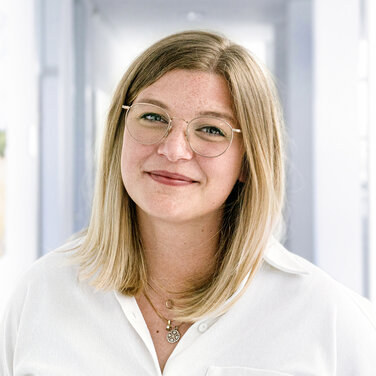
Sophie Grimme is a PhD researcher at the OFFIS Institute for Information Technology, Germany, where she investigates privacy and data agency in women's health technologies. Her research focuses on how intimate health data is collected, shared, and controlled by users versus providers, with published work on FemTech privacy policy transparency. By combining privacy research with feminist HCI, she addresses imbalances in the health data agency.
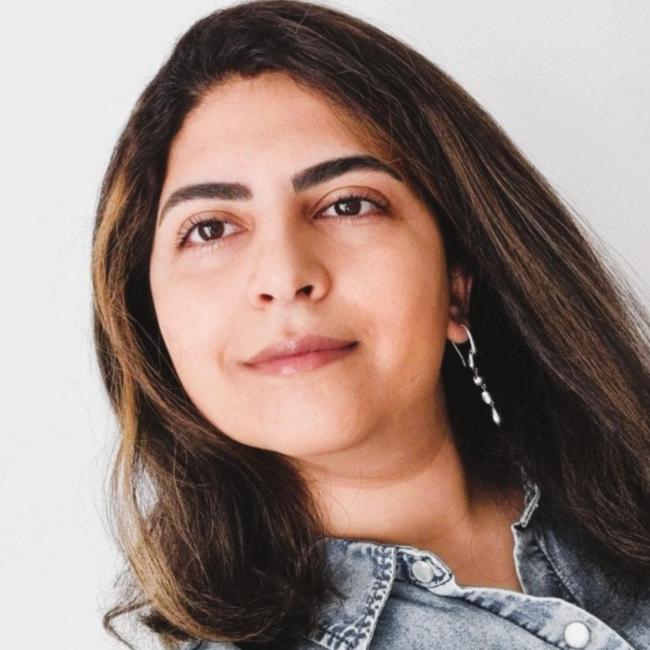
Farzaneh Karegar is an Assistant Professor (Senior Lecturer) in Information Systems at Karlstad University, Sweden. Her research examines the human aspects of digital technologies, with a particular focus on the usability of privacy- and transparency-enhancing tools. Currently, her work explores human-centered approaches to explainable AI and how to effectively communicate privacy-preserving data analytics to diverse stakeholders, enabling better-informed privacy decisions. She has conducted extensive research on the usability of consent and transparency mechanisms, investigating not only how information is presented but also how engagement modes influence user attention and understanding of data flows. Farzaneh co-chaired EuroUSEC in 2024 and 2025.

Maija Poikela is an Assistant Professor for Health Data Privacy at the Berlin Institute of Health at Charité Universitaetsmedizin Berlin. Her current research is dedicated to privacy in healthcare, designing trust-building solutions that enable secure data sharing through informed consent, clear frameworks, and granular control.
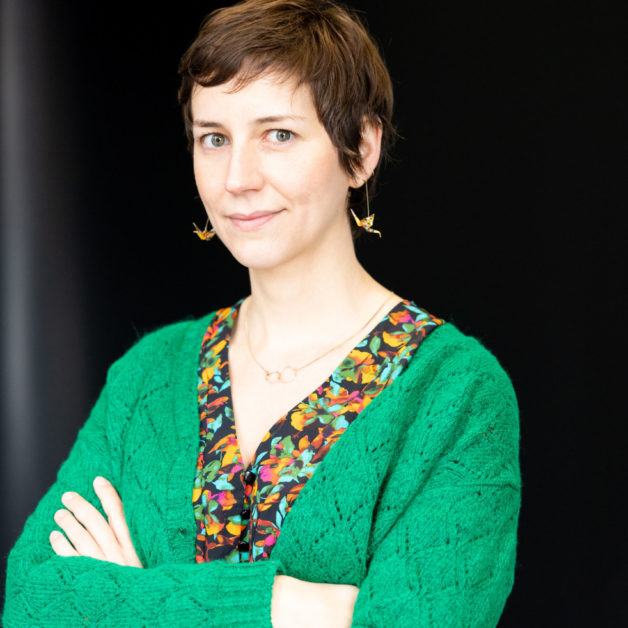
Arianna Rossi is a research affiliate of the LIDERLab at Sant’Anna School of Advanced Studies (Pisa, Italy) and is an expert in online manipulation, usable privacy, and legal design. She carries out empirical and theoretical research with a clear interdisciplinary slant, at the intersection of data law, human-centered design and computer science. Arianna has extensively published on the topics of transparency and consent in data privacy. She is PC member of important international conferences (e.g., EuroUSEC, JURIX, etc). She has been an invited speaker at international conferences and routinely gives about law, design and technology to academic students and practitioners.

Mark Warner is an Associate Professor in Computer Science at UCL. He is an HCI researcher working at the intersection of privacy, security, and safety. Relevant prior work includes research into privacy across a range of contexts, including online dating, FemTech apps, and generative AI systems. His current research is exploring platform governance models to understand how platforms characterise and respond to harms, including privacy harms.